
What Makes Waymarked Trails Special
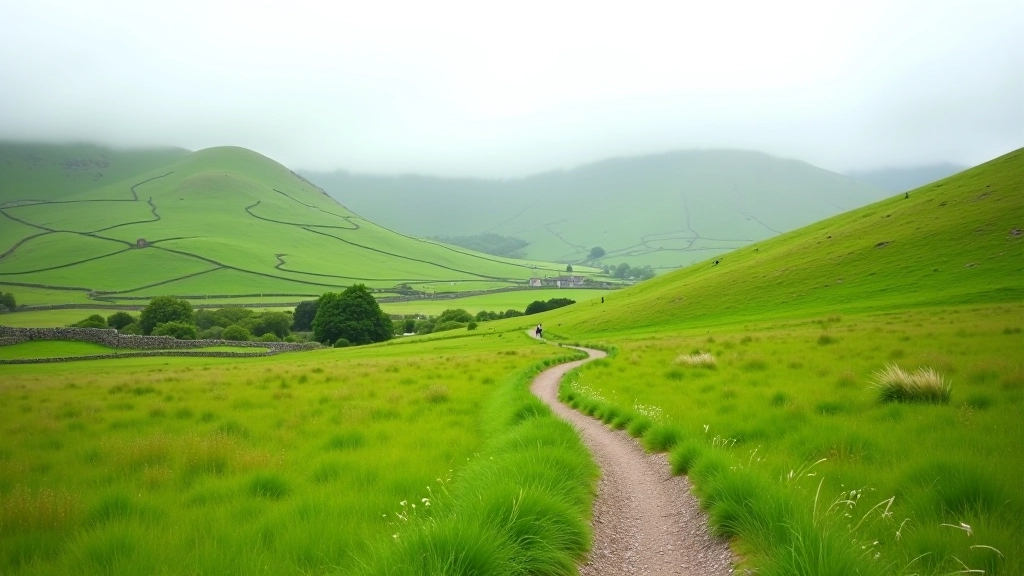
Ireland's waymarked trails aren't the rough mountain scrambles you might be imagining. They're designed for everyone — whether you're 8 or 80. The marked paths wind through quiet valleys where sheep outnumber people, and you'll spot stone walls that've been standing for centuries.
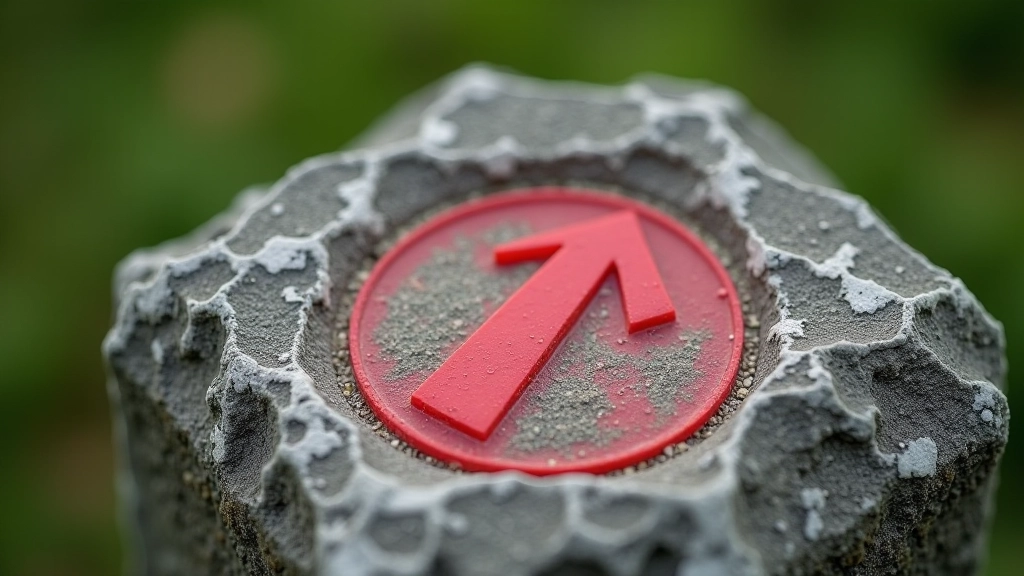
The beauty of these routes is they're already there. Red or white painted blazes on trees. Stone cairns stacked at junctions. Sometimes you'll see colored arrows. No GPS needed, no worrying about taking a wrong turn into someone's farm. Just follow the marks and enjoy the view.
Choosing the Right Loop for Your Level
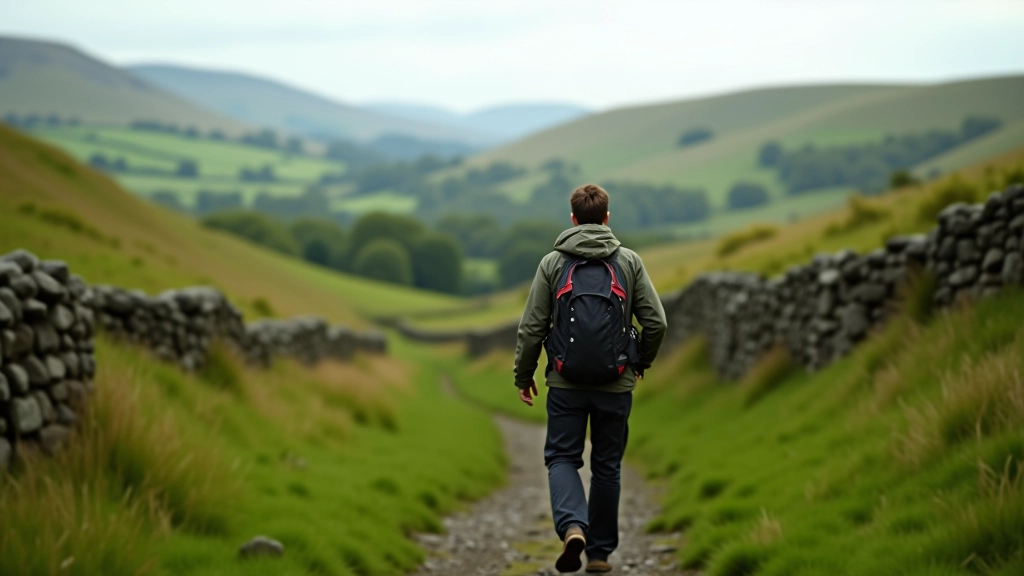
Most waymarked valleys offer multiple loops at different distances. You'll typically find a 3km circuit, a 6km option, and sometimes a longer 10km route all starting from the same point. This means you're not locked into one distance — you can adjust based on how you're feeling that day.
A 3km loop takes about 45 minutes to an hour if you're taking photos and stopping to catch your breath. The terrain is usually gentle — you're not climbing thousands of meters. But don't mistake gentle for flat. You'll have some uphill sections, just nothing that'll leave you gasping.
Start with the shorter option. There's no shame in it. Plenty of experienced walkers choose the 3km route just to enjoy the area without exhaustion. Plus you can always do the same loop twice if you want more distance.
Understanding the Markers and Navigation
Ireland uses a fairly standardized system for trail markers. You'll see red blazes on some routes, white on others, and occasionally yellow or green. The color doesn't matter — it's consistency that does. Once you spot a red blaze at the trailhead, you'll follow red blazes all the way around.
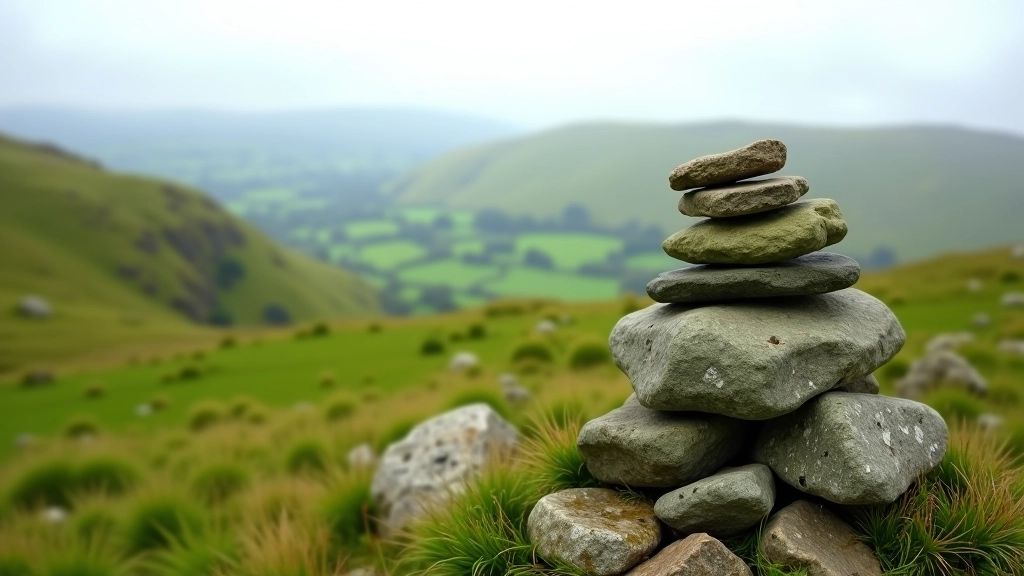
Cairns — those stacks of stones at junctions — are your backup system. They're especially helpful when the blazes get weathered or hard to spot. Don't just follow a random cairn though. Make sure it's aligned with the trail direction and matches the blaze color you've been following.
Bring a printed OS map anyway. They're cheap (about €6-8) and they work when your phone doesn't. The map shows elevation, terrain types, and helps you understand where you are in the landscape — not just following paint marks blindly.
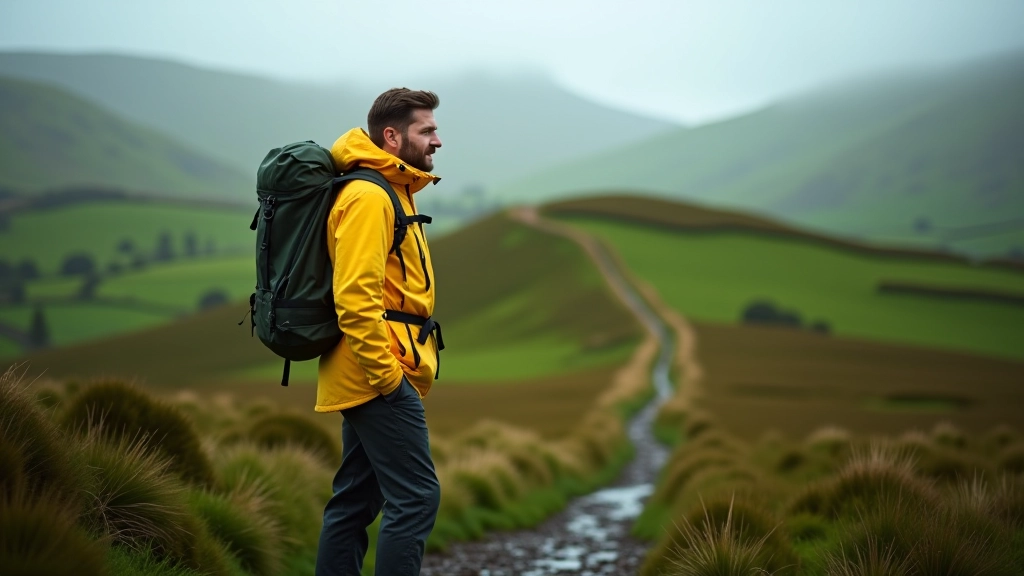
Dealing with Irish Weather on the Trail
You'll hear jokes about Irish rain. They're not exaggerations. It can rain sideways here. But here's the thing — it's not cold rain. Even in winter, temperatures rarely drop below 4°C. You won't freeze. You'll just get wet if you're not prepared.
A proper waterproof jacket (not cotton or regular fleece) makes all the difference. Spend the extra money on something that actually sheds water rather than absorbs it. Waterproof trousers are worth it too. Your legs get soaked from brush and grass even without rain, so proper gear keeps you dry and warm.
Layering works better than one thick jumper. Start with a moisture-wicking base, add an insulating middle layer, then your waterproof shell. This way you can adjust if you warm up during the walk. Most people underdress for Irish trails and regret it halfway through.
Practical Tips Before You Go
Start Early
Daylight hours are shorter in winter. A 3km walk shouldn't take more than 90 minutes, but it's worth starting by mid-morning. You'll have time without rushing.
Proper Footwear
Hiking boots with good grip matter. Trails get muddy. Regular trainers won't cut it. A decent pair costs €80-120 and lasts for years of walking.
Bring Water
A 1-liter bottle is minimum. There aren't shops or fountains on remote trails. Dehydration sneaks up on you even in cool weather.
Tell Someone
Let a friend know which trail you're doing and when you'll be back. Mobile signal is spotty in valleys. Basic safety, not paranoia.
Why Waymarked Trails Are Worth Your Time
These aren't hardcore mountain hikes or wilderness expeditions. They're accessible paths through beautiful landscapes where you can actually relax and enjoy where you are. No scrambling, no navigation anxiety, just walking through quiet valleys with painted markers showing the way.
You'll see wildflowers in spring. Ancient standing stones. Stone walls built by people long dead. Sheep that stare at you like you're the weird one. And at the end, you'll have walked 6-10 kilometers through real Irish countryside without getting lost or injured.
Start with one trail this month. Pick a 3km loop in a valley near you. Bring proper gear. Follow the markers. It's that simple. You don't need experience or special fitness. You just need to show up and walk.
Important Information
This article is provided for educational purposes to help you understand waymarked walking trails in Ireland. Weather conditions, trail conditions, and accessibility change seasonally. Always check local conditions before heading out. Bring appropriate gear, tell someone where you're going, and use current maps. Walking involves physical exertion and carries inherent risks. This article doesn't replace professional guidance or medical advice. Start with trails suited to your fitness level and progress gradually.