
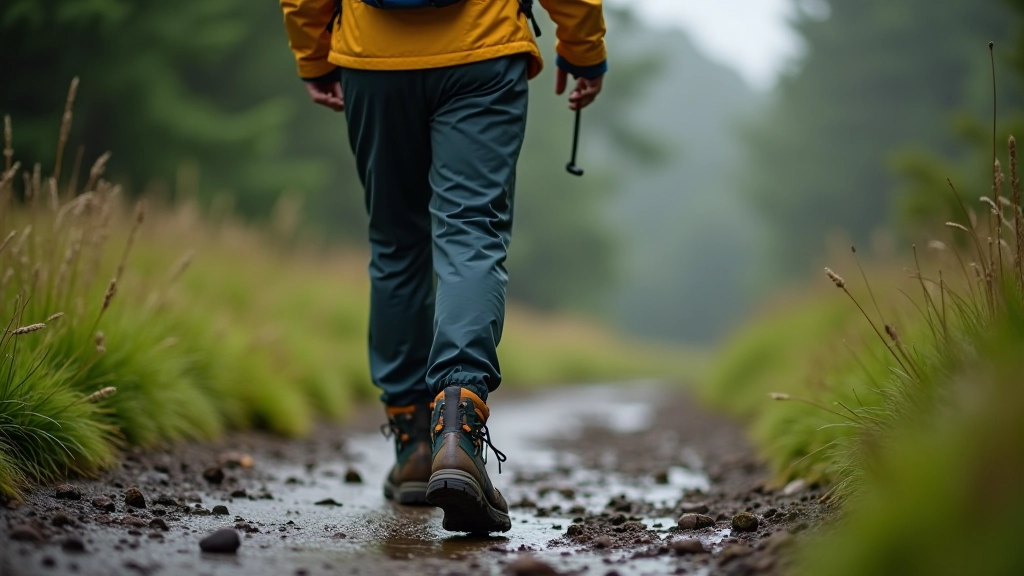
Why Irish Weather Demands Real Preparation
Irish weather isn't just unpredictable — it's determined. You'll see sunshine, then clouds roll in within minutes. Rain comes sideways. Wind picks up fast. And if you're not prepared with the right gear, a pleasant walk becomes miserable within an hour.
We're not talking about staying dry for fashion. Proper waterproof gear keeps your core temperature stable, prevents wind chill, and lets you focus on the walk instead of being soaked through. Here's what actually works.
Outer Layer: Your Waterproof Jacket
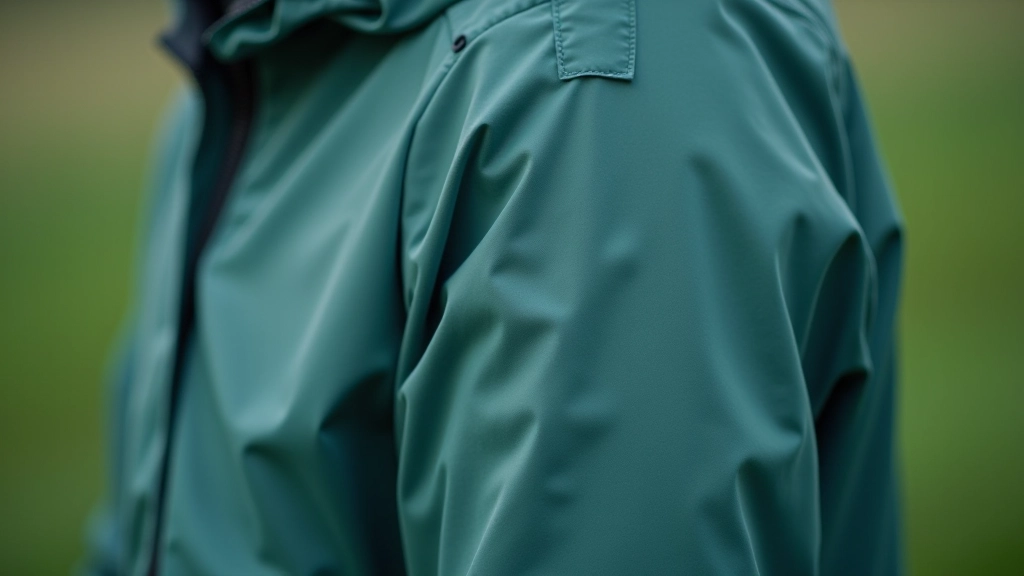
This is the single most important piece. You'll need a proper waterproof jacket — not a water-resistant one. There's a real difference. Waterproof means seams are sealed, fabric is genuinely impermeable, and it'll handle heavy rain without soaking through.
Look for jackets with:
- Taped seams (essential for rain protection)
- Hood that fits over your head properly
- Pit zips for ventilation when you're moving fast
- Pack ability — it should compress small
Bright colors are practical too. You'll be more visible to other walkers if visibility drops. Yellow, orange, and lime green work best on Irish hillsides.
Layering Strategy: The Real Secret
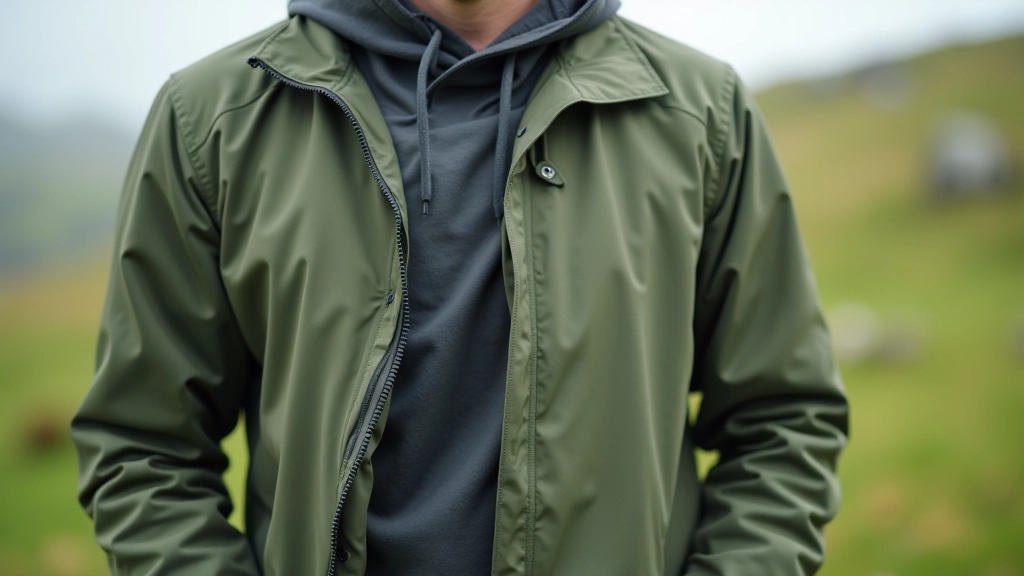
One thick jacket isn't enough. You need layers. Here's why: moisture-wicking base layer pulls sweat away from your skin. Mid-layer insulates. Waterproof shell keeps rain and wind out. That's your protection against Irish weather.
Base layer should be synthetic or merino wool — never cotton. Cotton holds moisture and you'll get cold fast. Merino wool breathes better and regulates temperature even when wet, which is honestly brilliant for Irish conditions.
Mid-layer options: fleece, lightweight down, or synthetic insulation. Fleece is popular because it's affordable and dries quickly if you get caught in heavy rain. Down is warmer but takes longer to dry.
The combo works because each layer has a job. You're not fighting the weather with one piece — you're managing it with three.
Bottoms and Lower Body Protection
Your legs get hammered on Irish walks. Wet grass, stream crossings, bog sections, and rain all target your lower half. Waterproof trousers are non-negotiable if you're walking anywhere wet or boggy.
Full-length waterproof trousers with ankle zips make sense. You can pull them on and off without removing your boots. They're lighter than you'd expect — modern ones pack down to practically nothing.
Underneath, wear base layer tights or thermal leggings. Not denim. Not jeans. Denim soaks up water and stays wet for hours. Even lightweight merino leggings work better because they dry faster and keep you warmer.
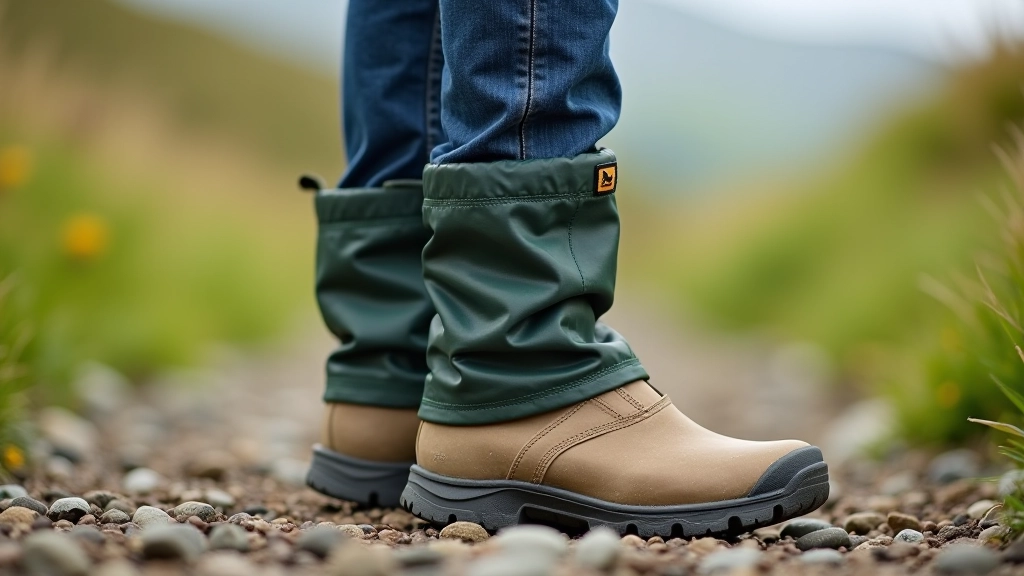
Gaiters bridge the gap between your trousers and boots. They're small but effective — they stop rain and mud from getting inside your boots. Worth carrying even if you don't think you'll need them.
Accessories That Actually Matter
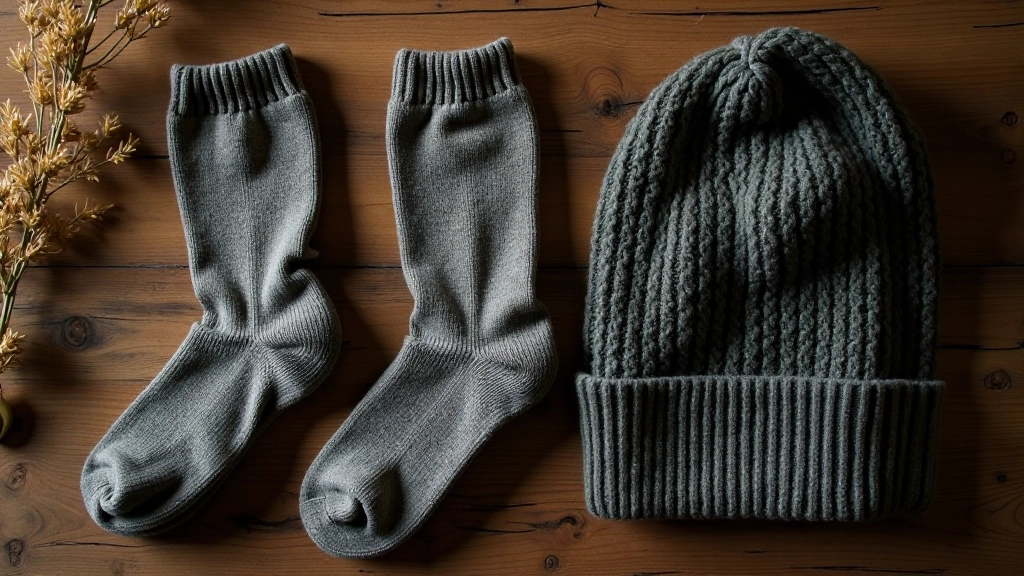
Gloves, hat, and socks matter more than you'd think. Cold hands and a wet head make the whole experience miserable, even if your core is warm.
Waterproof gloves with grip palms work well. You'll want to handle your map, phone, and walking poles without losing feeling in your fingers. Mittens are warmer but less practical. Wool gloves are fine for mild days but won't hold up in heavy rain.
For your head, a waterproof hat with a brim keeps rain off your face. Beanie hats are warm but water runs down your neck. Baseball-cap style or wide-brimmed hats channel water away from you. Wool or synthetic — both work, but synthetic dries faster.
Socks are where people skimp. Don't. Merino wool socks keep your feet warm and dry. You'll need at least two pairs so you can swap them out if they get wet. Wet socks = cold feet = early end to your walk.
Footwear That Holds Up
Your boots need to be waterproof, not just water-resistant. The difference is important. A truly waterproof boot has a membrane or lining that prevents water from seeping in through the leather or fabric. Water-resistant just means water beads up on the surface — it'll eventually soak through.
Look for boots with good tread — you'll encounter slippery mud and wet rock regularly. Vibram soles are the gold standard, but other quality hiking boot brands offer solid tread patterns. Test them on wet surfaces before committing.
Break in your boots properly before a long walk. New boots on a 12-mile day will destroy your feet. Wear them on shorter walks, around town, even indoors. Your feet need to adjust to the fit and the soles need to flex naturally. It takes 3-4 walks usually, sometimes more.
Insoles matter too. Replace the standard ones with good arch support. Your feet'll thank you after 6 hours on uneven terrain.
Quick tip: Carry a spare pair of dry socks in a waterproof bag. If you fall, wade through water, or just get soaked, you can change them at a rest stop. Dry feet make everything better.
Final Thoughts: Invest Properly
Irish weather won't wait for you to be ready. It'll test whatever you're wearing and demand that you're properly equipped. The good news? Proper gear isn't complicated. Waterproof jacket, layered clothing, waterproof trousers, good boots, and quality socks. That's the foundation.
Don't buy the cheapest options hoping they'll work. They won't. Invest in gear that'll last multiple seasons and actually keep you dry. You'll do more walks, enjoy them more, and feel genuinely prepared instead of worried about the weather.
The best gear is the gear you'll actually wear. If your jacket is uncomfortable or your boots pinch, you won't wear them. Test everything before committing to a long walk. Your future self on a rainy hillside will appreciate the preparation.
Disclaimer
This article provides informational guidance about selecting appropriate gear for Irish weather conditions. Individual needs vary based on personal preferences, fitness levels, climate sensitivity, and specific walking routes. Always check current weather forecasts, local trail conditions, and safety advisories before setting out. Weather in Ireland can change rapidly, and proper preparation includes checking reliable sources and consulting with local guides when attempting unfamiliar routes. Gear recommendations reflect general best practices and should be adapted to your specific circumstances and comfort level.